If your scenes feel flat, slow, or oddly disconnected — even when the writing itself is strong — there’s a good chance this is why:
You’re starting scenes at emotional zero.
Most writers jump straight into the action.
Professional writers revisit the moment before the scene — and let that shape everything.
That one-minute difference determines:
- the emotion your character carries in
- what they notice or ignore
- what they want and what they hide
- what they won’t say (this is where the magic lives)
This single shift can deepen voice, sharpen tension, and make scenes feel inevitable instead of interchangeable.
Here’s how to use it.
What You’ll Learn
- how to open scenes with emotional momentum
- why the moment before the scene matters more than the plot beat
- how to create tension without adding events
- how scene openings affect pacing, voice, and chemistry
1. Identify the Emotional Residue
Every scene begins with something your character is still carrying.
Ask:
- Is it anger?
- Shame?
- Relief?
- Desire?
- Hope?
Once you know this, the scene comes alive.
❌ Instead of:
She walked into the room.
✅ Try:
She walked in still rehearsing the lie she hoped she wouldn’t have to use.
That’s voice.
That’s tension.
That’s depth.
For more on this, check out How to Show Emotion in Writing Without Naming the Feeling.
2. Track the Shift, Not the Plot Point
Instead of asking:
What happens in this scene?
Ask:
What changes for my character?
If nothing shifts emotionally, the scene won’t land — no matter how polished it is.
Example:
- Before: MC feels unsure
- After: MC is determined
That internal change becomes the heartbeat of the scene.
For structural clarity, see How to Self-Edit Your Writing: A Simple System to Make Revision Faster.
3. Let the Moment Before Shape the First Line
Your opening sentence shouldn’t reset your character to neutral.
Drop the reader into the middle of the character’s inner momentum.
Example:
❌ Her phone buzzed.
✔ She flinched when her phone buzzed — she thought she’d silenced him for good.
One line gives information.
The other gives story.
This technique strengthens pacing. Read 4 Pacing Hacks That Make Readers Say “Just One More Page…”.
4. Build Chemistry and Conflict From Carried Emotion
When two characters enter a scene already carrying emotion, their interaction becomes electric.
Imagine:
- He walks in carrying guilt
- She walks in carrying suspicion
You don’t need sharper dialogue.
You already have pressure.
Suddenly, every line has subtext.
For dialogue-driven tension, read How to Write Character Chemistry Without Romance.
A One-Week Scene Challenge
For your next few chapters:
Before you write the scene, ask:
What happened one minute before this?
Then write from that energy.
You’ll notice:
- deeper voice
- stronger pacing
- sharper characters
- scenes that feel inevitable, not interchangeable
This is the trick pros use — because it works every time.
FAQ: Writing Strong Scene Openings
Do I need to show the moment before the scene on the page?
No — you just need to feel it while writing.
What if my scene starts with action?
Action works best when it’s fueled by emotion already in motion.
Can this slow pacing?
No — emotional momentum often accelerates engagement.
Should I use this in first drafts?
Yes — but it becomes especially powerful during revision.
Key Takeaway
Scenes don’t start when characters enter rooms.
They start with what characters are still carrying.
Revisit the moment before —
and your scenes will finally breathe with tension, voice, and purpose.
✨ Want to finish your book in 2026?
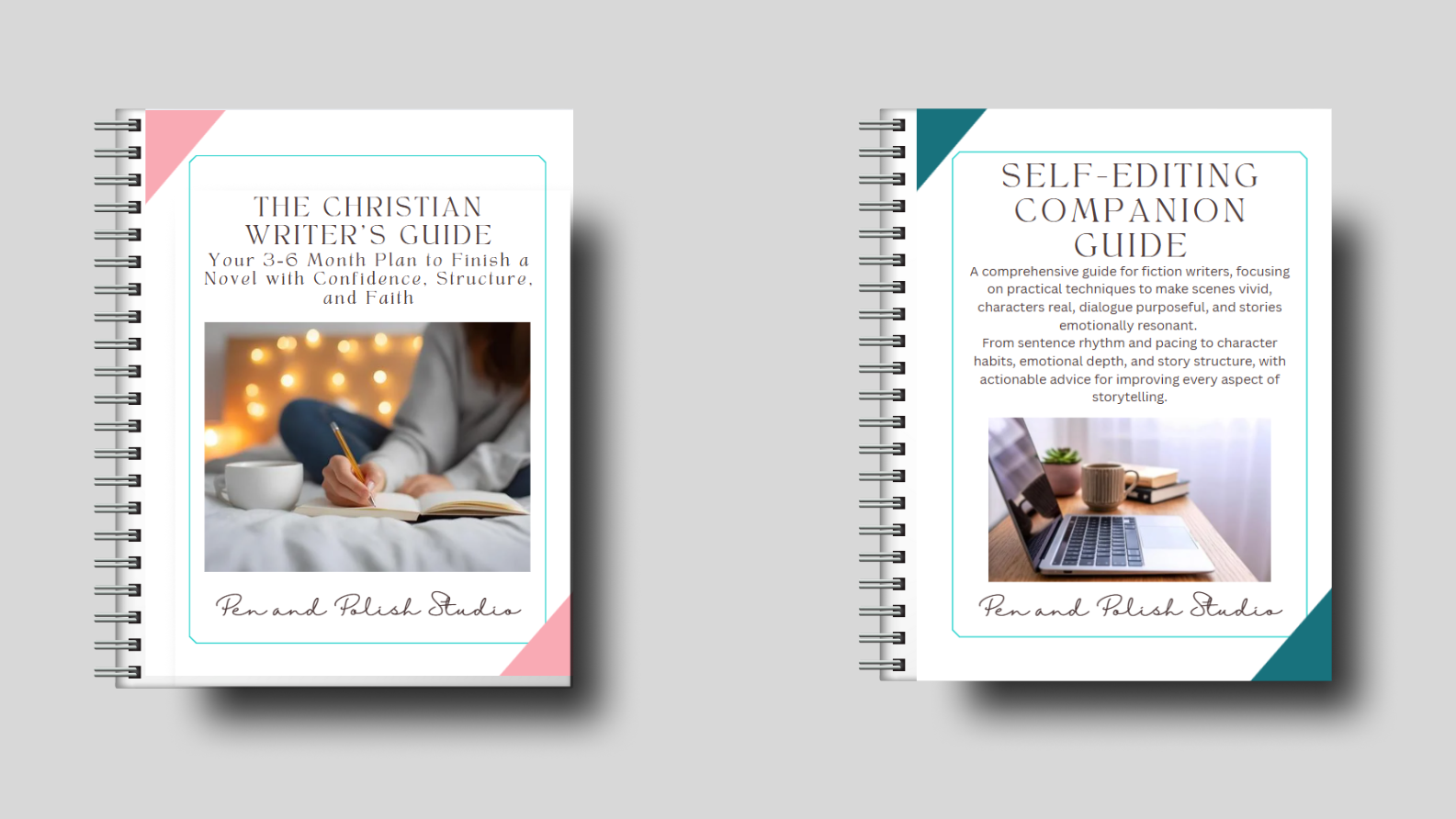
If you’re ready to stop second-guessing every scene and start making real progress on your book, The Writer’s Clarity Bundle will help you go from idea to finished draft with confidence and clarity.

 Pen & Polish
Leave a comment